
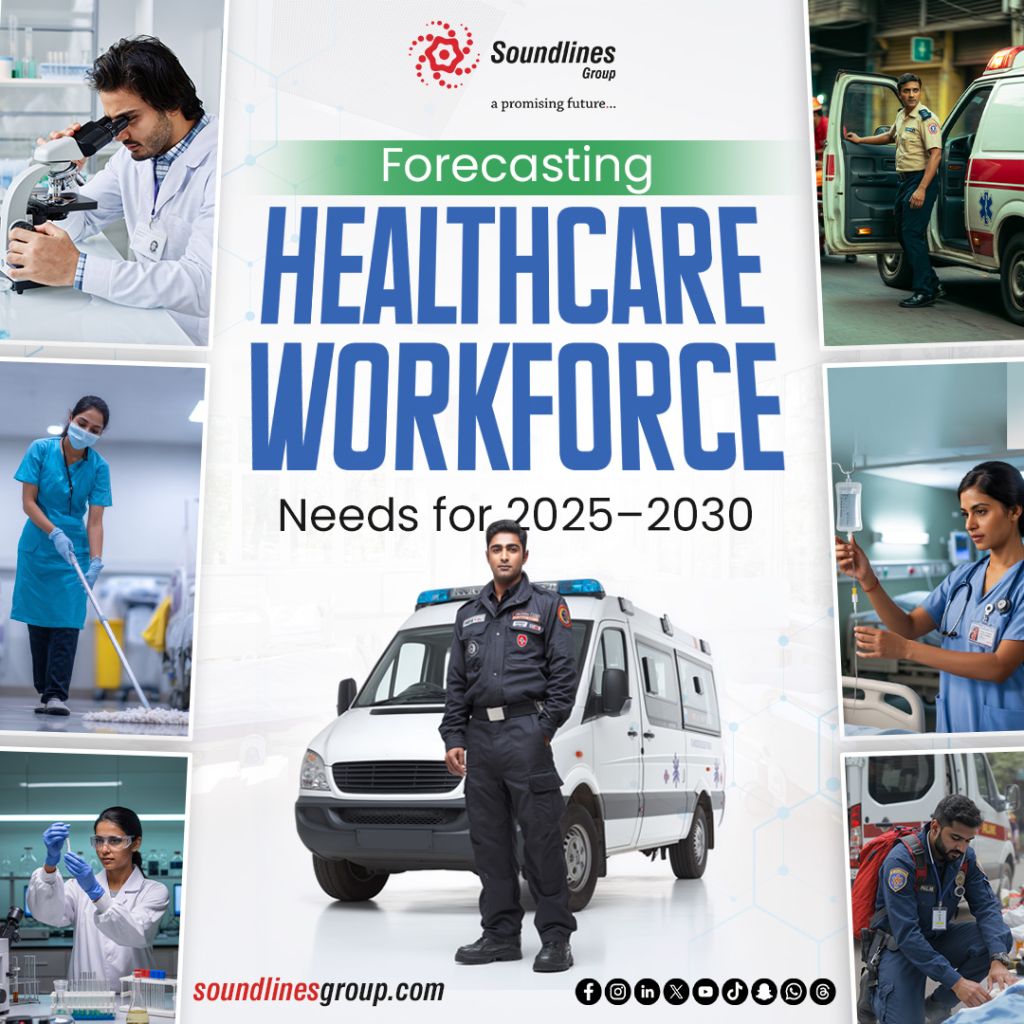
Every decade reshapes healthcare. New diseases emerge, technology transforms patient care, and demographic shifts change how hospitals operate. As we move toward 2030, one truth is becoming clear: the healthcare workforce will be under more pressure than ever. For hospitals and healthcare groups, the challenge is not just responding to demand as it arises, but forecasting staffing needs well in advance to remain resilient.
The Rising Global Demand
Healthcare is one of the fastest-growing sectors worldwide. Populations are aging rapidly, especially in regions such as Europe, the Middle East, and parts of Asia. Chronic illnesses like diabetes and heart disease are increasing, requiring more long-term and specialized care. According to the World Health Organization, the global shortfall of healthcare workers could exceed 10 million by 2030. This looming gap means hospitals must act now to anticipate their workforce requirements, rather than scrambling later.
Specializations That Will Be Critical
The demand for healthcare workers won’t be evenly distributed across roles. Some areas are expected to face sharper shortages than others:
- Geriatric Care Specialists – With aging populations, expertise in elder care will be essential.
- Critical Care Nurses – High demand for ICUs and emergency services will intensify.
- Mental Health Professionals – Rising awareness and patient needs are driving demand for psychiatrists, psychologists, and counselors.
- Diagnostic Technicians – Professionals skilled in handling AI-driven imaging and advanced diagnostic equipment.
- Infection Control Experts – A lesson learned from the pandemic: hospitals need stronger infection management capacity.
Hospitals that forecast these needs today will be better positioned to fill the gaps tomorrow.
The Impact of Technology
Technology is reshaping healthcare roles. Telemedicine is expanding access to care, reducing some traditional staffing needs while creating demand for new types of professionals. AI-driven diagnostic tools and robotic surgery systems mean hospitals will increasingly require IT specialists, biomedical engineers, and technicians alongside doctors and nurses.
Far from replacing the human workforce, technology is creating new layers of expertise. Workforce planning for 2025–2030 must factor in these emerging roles.
Regional Migration and International Hiring
Many regions, particularly the Middle East, will continue to rely heavily on international healthcare staff. Countries like Saudi Arabia and the UAE are investing heavily in healthcare infrastructure under long-term development programs, but local talent pipelines remain limited. Hospitals in these regions will need steady partnerships with international recruitment agencies to maintain staffing levels.
For hospitals elsewhere, international hiring will remain a safety valve when local supply cannot meet demand. Building these pipelines early is crucial to avoid last-minute shortages.
Training and Upskilling Existing Staff
Forecasting is not only about hiring more staff—it’s also about strengthening the current workforce. Hospitals that invest in training and upskilling will be better prepared to adapt to future needs. For example, existing nurses can be trained in critical care, infection control, or telemedicine support. Such proactive planning reduces reliance on last-minute external hiring and builds long-term institutional resilience.
Building Flexibility Into Workforce Plans
No forecast is perfect. Pandemics, medical breakthroughs, or policy changes can shift workforce needs dramatically. Hospitals that succeed will be those that build flexibility into their plans:
- Maintaining partnerships with multiple recruitment sources.
- Cross-training staff to handle multiple functions.
- Creating scalable staffing models that expand or contract with patient demand.
Conclusion
The years leading up to 2030 will test healthcare systems like never before. Anticipating workforce shortages, investing in training, leveraging technology, and building global recruitment channels are not optional—they are necessary for survival.
At Soundlines Group, we help hospitals forecast and prepare for the future by providing access to international talent pools, managing compliance, and supporting long-term workforce strategies. With over 25 years of experience in global healthcare staffing, we can help you build a workforce ready for the challenges of 2025–2030 and beyond.