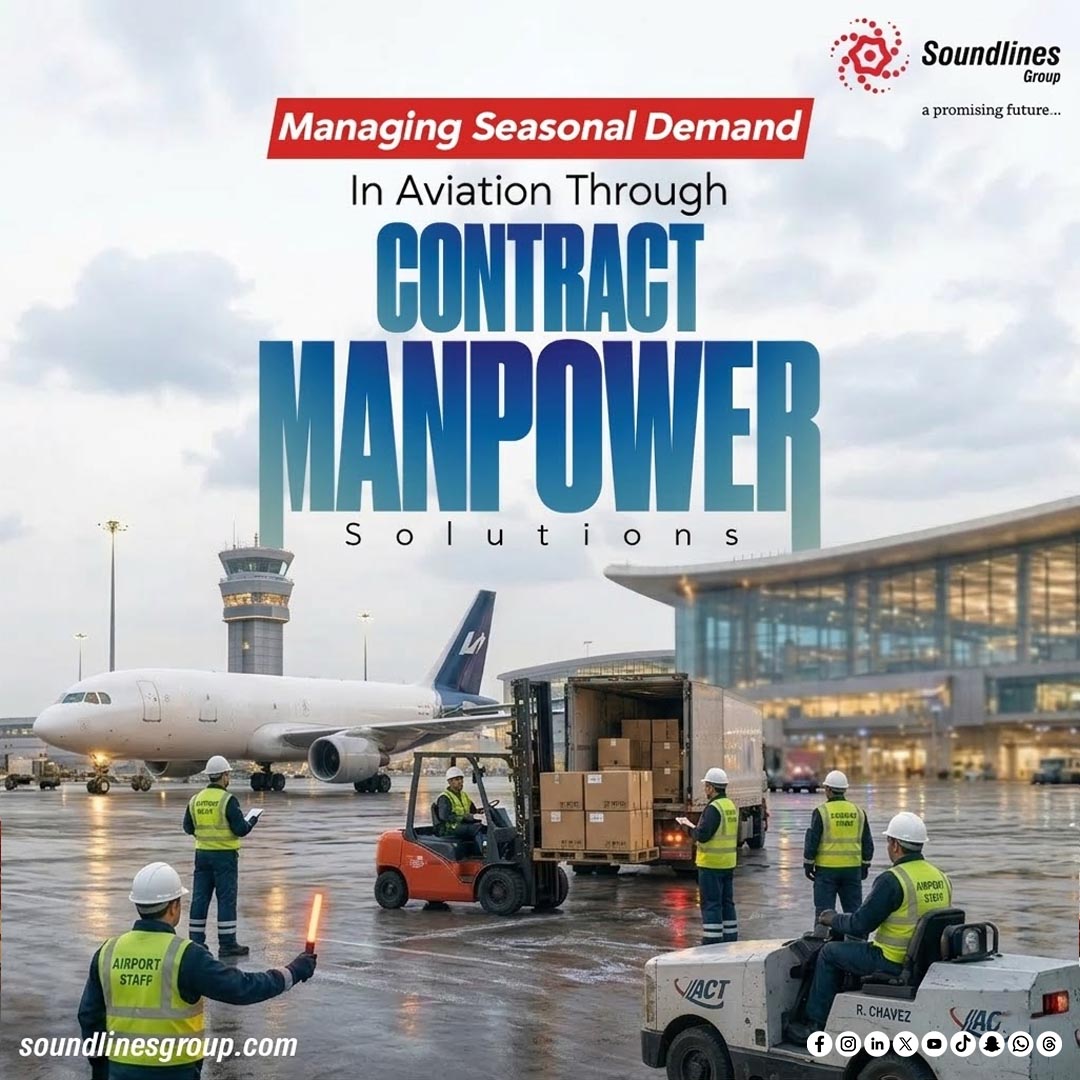
Seasonality is not a disruption in aviation—it is a constant.
Passenger volumes rise during holidays, major events, and peak travel periods, placing immediate pressure on airport operations, ground handling, and support services. While demand fluctuates, operational expectations remain the same: efficiency, safety, and on-time performance.
This makes workforce flexibility a critical requirement for aviation companies.
Table of Contents
ToggleThe Challenge of Seasonal Workforce Demand
Airports and aviation service providers must manage sharp increases in workload within short timeframes.
During peak periods, there is a sudden need for:
- Ground handling staff
- Baggage handlers
- Customer service personnel
- Technical and maintenance support
Without adequate workforce availability, operations can slow down, leading to delays, service disruptions, and increased pressure on existing teams.
The challenge lies in scaling quickly—without compromising on quality or compliance.
Why Permanent Hiring Doesn’t Solve Seasonal Needs
Relying on permanent hiring for seasonal demand creates inefficiencies.
Overstaffing during non-peak periods leads to:
- Increased operational costs
- Underutilised workforce
- Reduced efficiency
At the same time, understaffing during peak demand results in:
- Delays in passenger handling
- Increased turnaround times
- Operational strain across departments
This imbalance highlights the need for a more flexible approach.
The Role of Contract Manpower Solutions
Contract manpower provides the flexibility required to handle seasonal fluctuations.
It allows aviation companies to:
- Scale workforce up during peak demand
- Reduce workforce during low-demand periods
- Maintain operational efficiency without long-term overheads
More importantly, it ensures that workforce availability is aligned with real-time demand.
Speed and Readiness Are Critical
In aviation, timing is everything.
Workforce deployment must be:
- Fast enough to meet sudden demand spikes
- Structured to ensure role readiness
- Compliant with industry and safety standards
Delays in onboarding or untrained staff can directly impact operations.
This makes structured sourcing, screening, and deployment essential.
Maintaining Service Standards During Peak Periods
Passenger experience is closely tied to workforce efficiency.
Even during high-demand periods, aviation companies must maintain:
- Smooth passenger flow
- Efficient baggage handling
- Clear communication at touchpoints
A well-managed contract workforce ensures that service standards remain consistent, even when demand increases.
Reducing Operational Risk
Seasonal demand often introduces operational risk due to:
- Workforce shortages
- Inexperienced staff
- Delays in deployment
Contract manpower solutions help mitigate these risks by providing:
- Pre-screened and trained workforce
- Role-specific deployment
- Predictable workforce availability
This allows companies to maintain control over operations during peak periods.
Building a Flexible Workforce Model
The aviation industry is moving towards workforce models that are flexible, scalable, and demand-driven.
Contract manpower plays a key role in this shift by enabling:
- Better resource planning
- Cost optimisation
- Improved operational efficiency
It allows companies to respond to demand without compromising stability.
Conclusion
Managing seasonal demand in aviation requires more than reactive hiring—it requires a structured workforce strategy.
Contract manpower solutions provide the flexibility and reliability needed to handle fluctuating demand while maintaining operational efficiency.
With 25+ years of experience and a presence across 22+ international locations, Soundlines Group supports aviation companies with structured workforce solutions—helping them manage seasonal demand with speed, compliance, and consistency.